Shockwave Therapy
Shockwave Therapy – Non-Surgical Treatment of Soft Tissue, Bone, Heel and Joint Pain
What is Radial Shockwave Therapy & How Does It Work
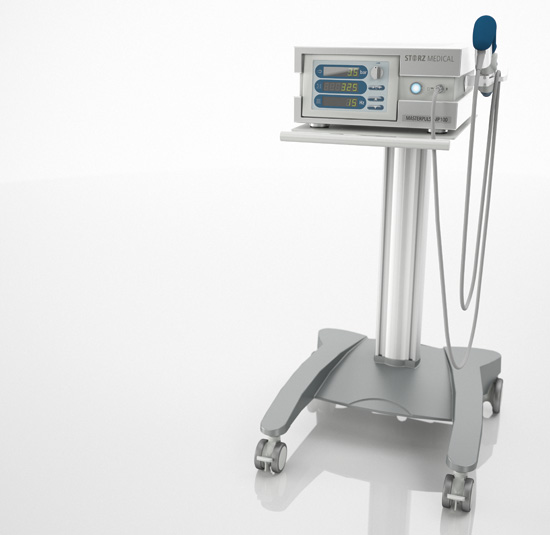 Shockwave Therapy is a new technology which provides non-surgical treatment for many conditions that historically could only be resolved through surgical intervention and may be considered in certain musculoskeletal conditions. Suitability depends on the individuals’s assessment and treatment goals.
Shockwave Therapy promotes healing of degenerated or injured tissue leading to reduced pain and an increase in joint function.
Shockwave Therapy may be effective in resolving and treating a wide variety of medical conditions, improving the quality of your life. Shockwaves may accelerate the healing process by activating the body’s self-healing powers, particularly in cases where the body has been unable to do it on its’ own. It stimulates metabolism and enhances blood circulation which enables damaged tissue to regenerate and eventually heal.
The practitioner, will apply shockwaves through a specially designed hand piece that produces strong energy pulses for short periods of time. The shockwave energy pulses are applied directly to the affected tissue areas in a controlled procedure.
Shockwaves have a mechanical effect on the tissue. Pressure in front of the shockwave is transmitted into the tissue, creating microcavitation bubbles that expand and burst in a resultant force. This force penetrates tissue and stimulates cells in the body which are responsible for bone(osteoblasts) and connective tissue(fibroblast) healing.
Precautions/Contra-indications to Shockwave
You may not qualify for Radial Shockwave if you have any of the following. Caution may be required. It is very important that we know if you have any of the following before considering undergoing Radial Shockwave Treatment:
- Cortisone injection within the last 6 weeks
- Bleeding disorder (eg. Von Willebrand disease, haemophilia, etc.)
- Blood thinning medications (eg. Heparin, Warfarin, Coumadin)
- Heart or circulatory problems (eg. Pacemaker)
- Cancer
- Diabetes
- Pregnancy
- Blood or nerve supplies too close to affected area
- Open wound over the site to be treated
- Poorly localized or non palpable area of pain
- Inflammation or Infection at the site of treatment (signs include redness, swelling, fever, etc)
- Cognitive difficulties (unable to follow directions or; Alzheimer’s disease, senile demential, etc)
What to Expect During Treatment?
Treatment is usually measured in the amount of shocks applied. 2000-3000 shocks are usually required per injury location. Normally 5 sessions are necessary. In some incidences, additional sessions may be required for chronic conditions. Treatment in some areas can be slightly uncomfortable and may cause some pain, but it is normally tolerable.
What to Expect After Treatment?
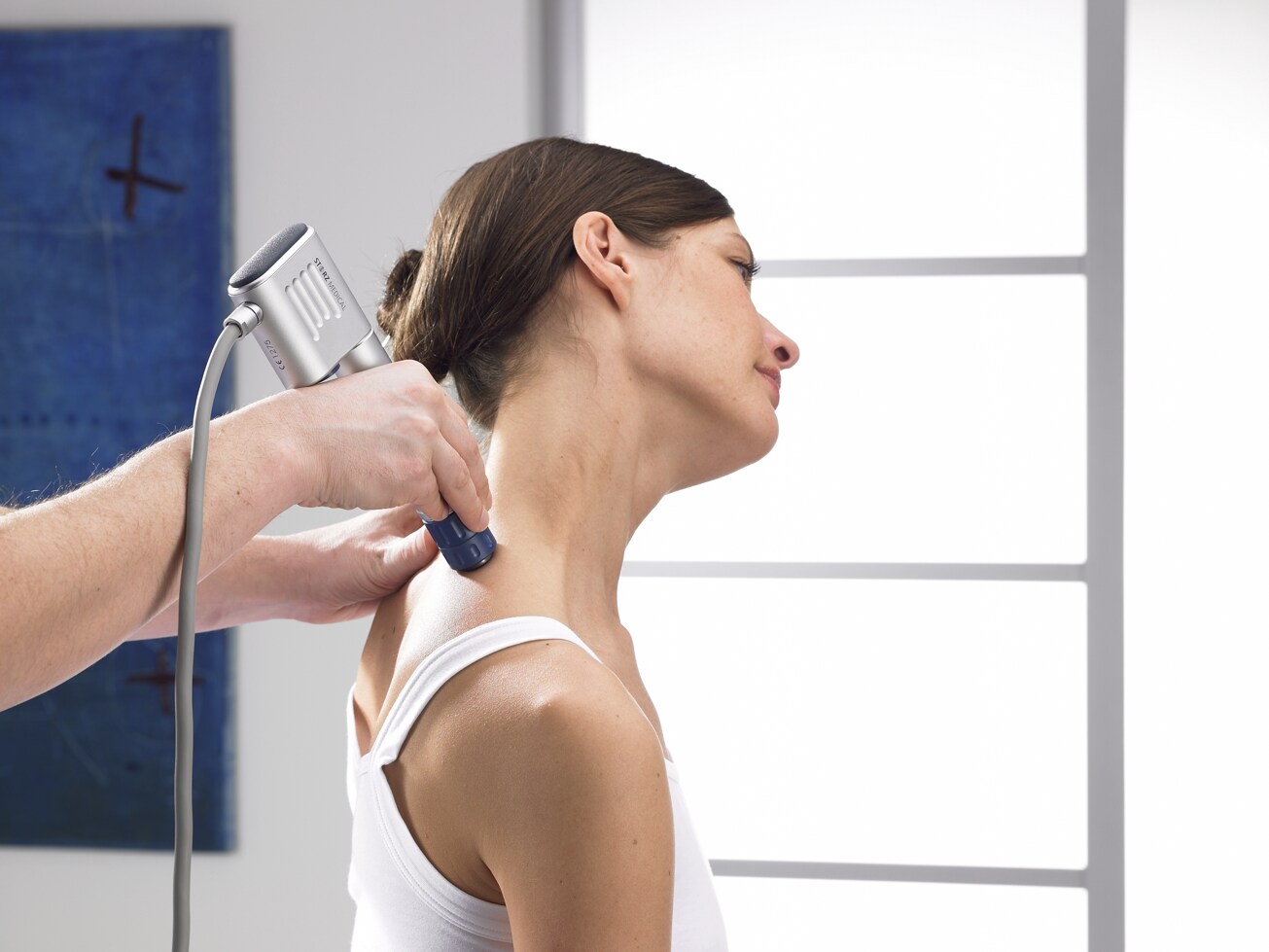 Many clients experience a decrease or complete absence of pain immediately after treatment. Bruising, swelling, and on rare occasions, skin breakdown may occur. There may be some soreness 1-2 hours afterwards due to an inflammatory response of the body to the shockwave. This is NORMAL and is your body’s way of healing itself and regenerating the targeted tissue. This discomfort usually subsides after 1-2 days
Research has shown that shockwave breaks down calcium deposits.
After 2-3 sessions, over 80% of patients report a significant reduction in pain.
* 90% improvement for plantar fasciitis
(Journal of Orthopaedics Research 2005)
* 91% improvment for tendinonitis
(Journal of America Medical Association 2003)
* 77% improvement for tennis elbow
(Journal of Orthopaedics 2005)
Shockwave Therapy can be used to treat a wide variety of musculoskeletal conditions, in particular those involving areas where major connective tissue attaches to bone.
Treatable Conditions
- Plantar Fasciitis & Heel Spurs
- Achilles Tendonopathy
- Tennis or Golfers Elbow
- Jumpers Knee
- Hamstrings
- Stress Fractures
- Calcific Rotator Cuff Tendinitis
- Bursitis
- Trigger Point Therapy
- Non Healing Ulcers
- Non Unions
- Mortons Neuroma
- Scar Tissue Treatment
- Hallux Rigidus
- Shin Pain/Tibial stress syndrome
- Frozen Shoulder (adhesive capsulitis)
Shockwave Therapy sessions takes up to 10 minutes depending on the disorder that is being treated. In general, 3-5 sessions are necessary at weekly intervals (some chronic conditions may require more sessions).
Most Extended Health Care Providers will cover all or a portion of treatment .
Call today for a consultation 604-439-1230.

© 2010 Dr. Rupi Kaila. All rights reserved. No parts of this web site may be used, borrowed or copied without express written permission by Dr.Rupi Kaila. Thank you for visiting. The material on this website is for informational purposes only and is not a substitute for medical advice or treatment for any medical conditions.